OpenPumta is the open-source
deep work system.
An open-source, desktop-first productivity system integrating Pomodoro focus tracking, habit building, and AI-assisted reflection. No walled gardens.
The Problem
You rely on 5 different apps to study—Yeolpumta for timers, Notion for notes, and scattered habit trackers. None talk to each other. When you drop a habit, you lose momentum.
- Distraction from switching context
- Burnout from relying purely on willpower
- Broken streaks leading to abandoned goals
The Solution
A single, desktop-first workspace that locks you into deep work and builds unbreakable 21-day streaks. All your productivity tools, perfectly synced.
- Unified Pomodoro timers and habits
- AI coach to detect and prevent burnout
- Notion-like workspace for your notes
Designed for Deep Work and Streaks
Everything you need to stay consistent for 21 days at a time through accountability, reflection, and measurable progress.
See OpenPumta in Action
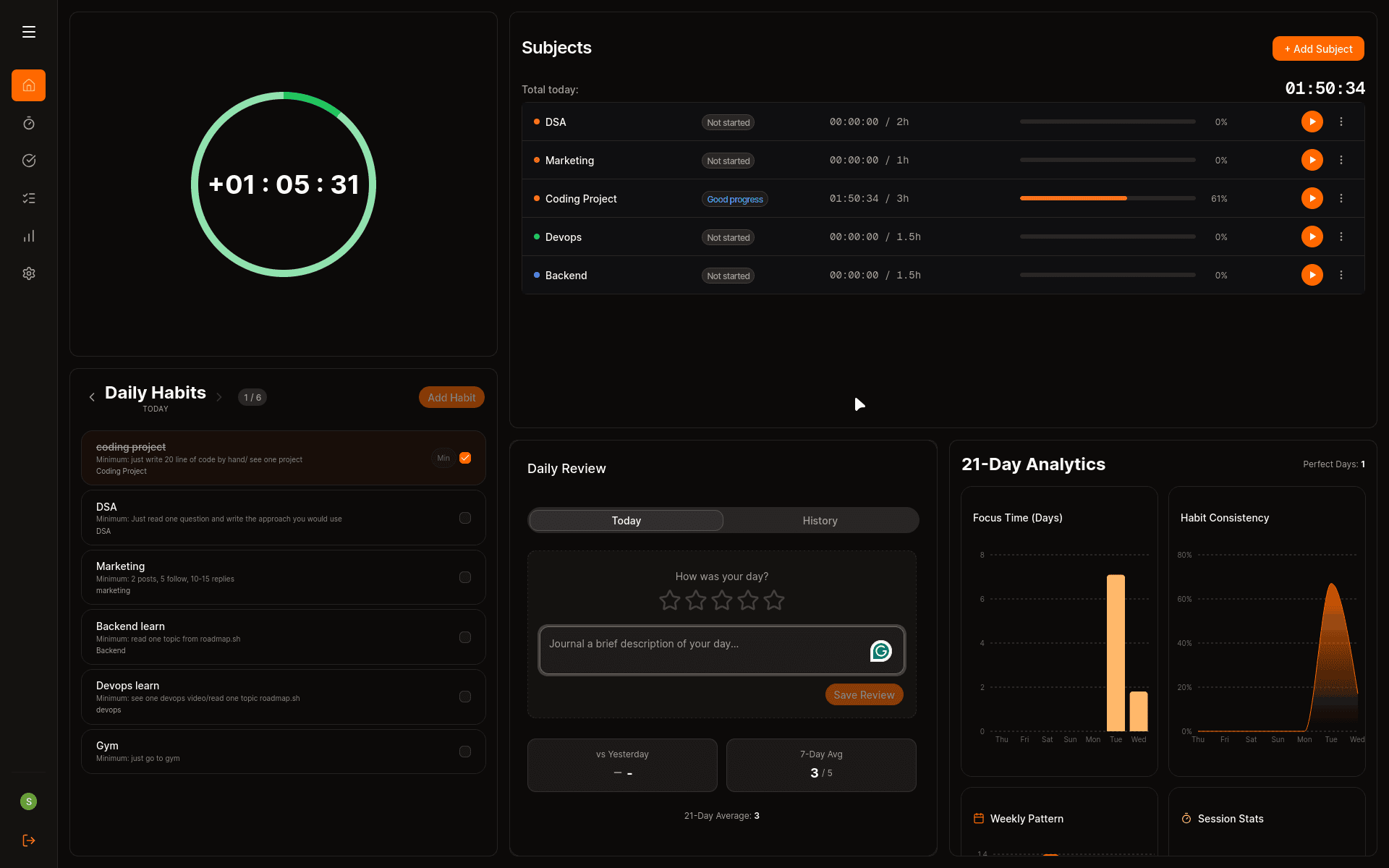
A seamless interface combining the best elements of intensive study timers and flexible habit trackers.
Notion-like Workspace
A flexible canvas for your personal productivity systems. Create custom pages like a 'Daily Planner', use rich text blocks, and even copy-paste your existing Notion templates directly into openPumta.
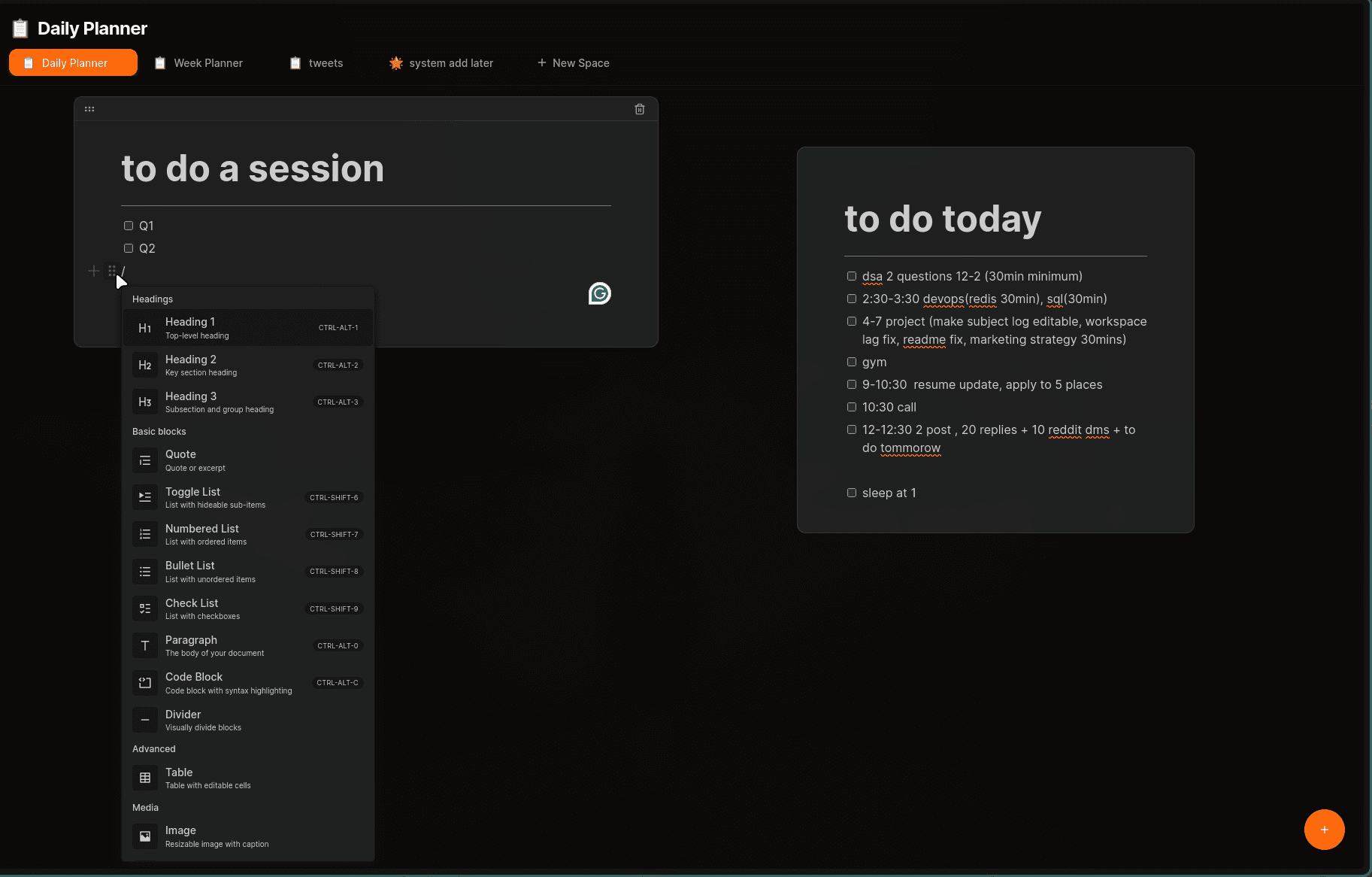
The 21-Day Habit Protocol
Designed around strict consistency. Track up to 6 habits with 'Bad Day Plans' to keep your streak alive even on low-energy days. Celebrate momentum with dynamic confetti for your 'Perfect Day'.
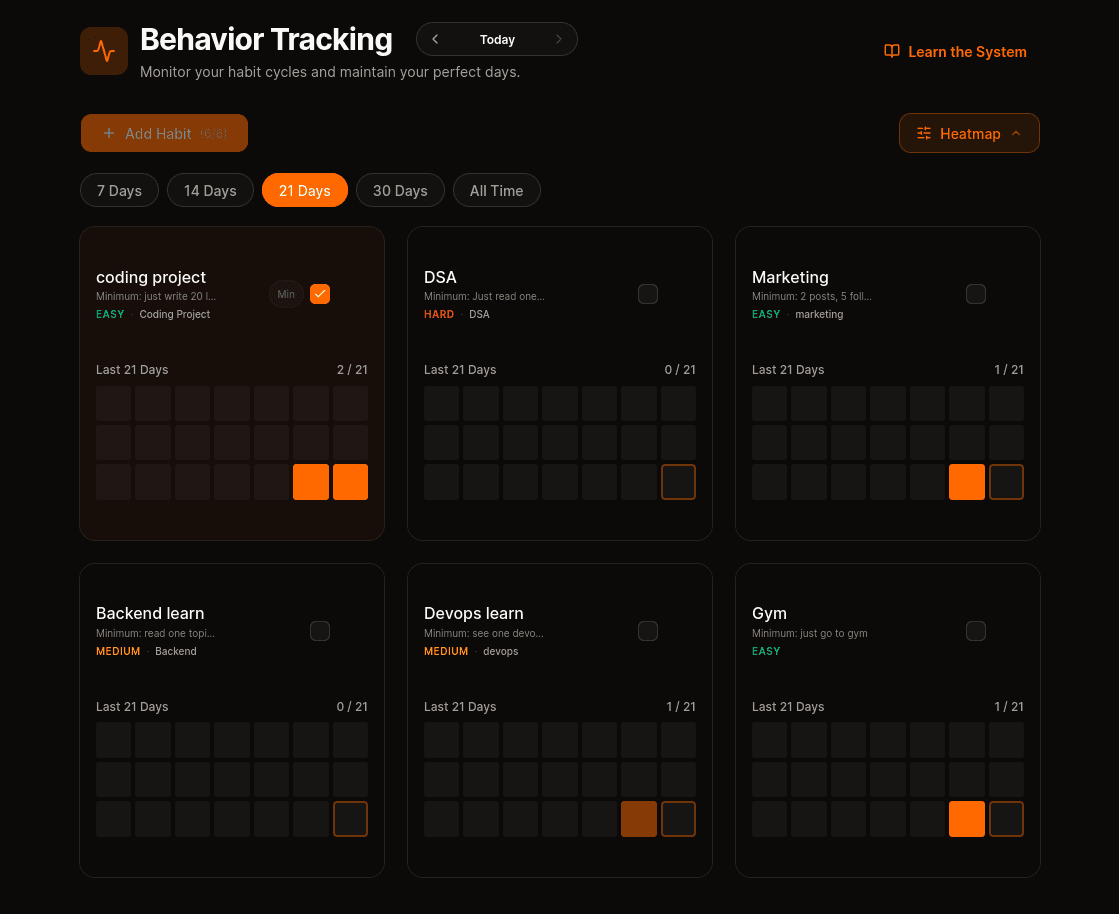
Deep Focus Timer
Start a Pomodoro session for any subject. See your visual progress ring fill up and watch your avatar evolve as your focus time increases throughout the session.
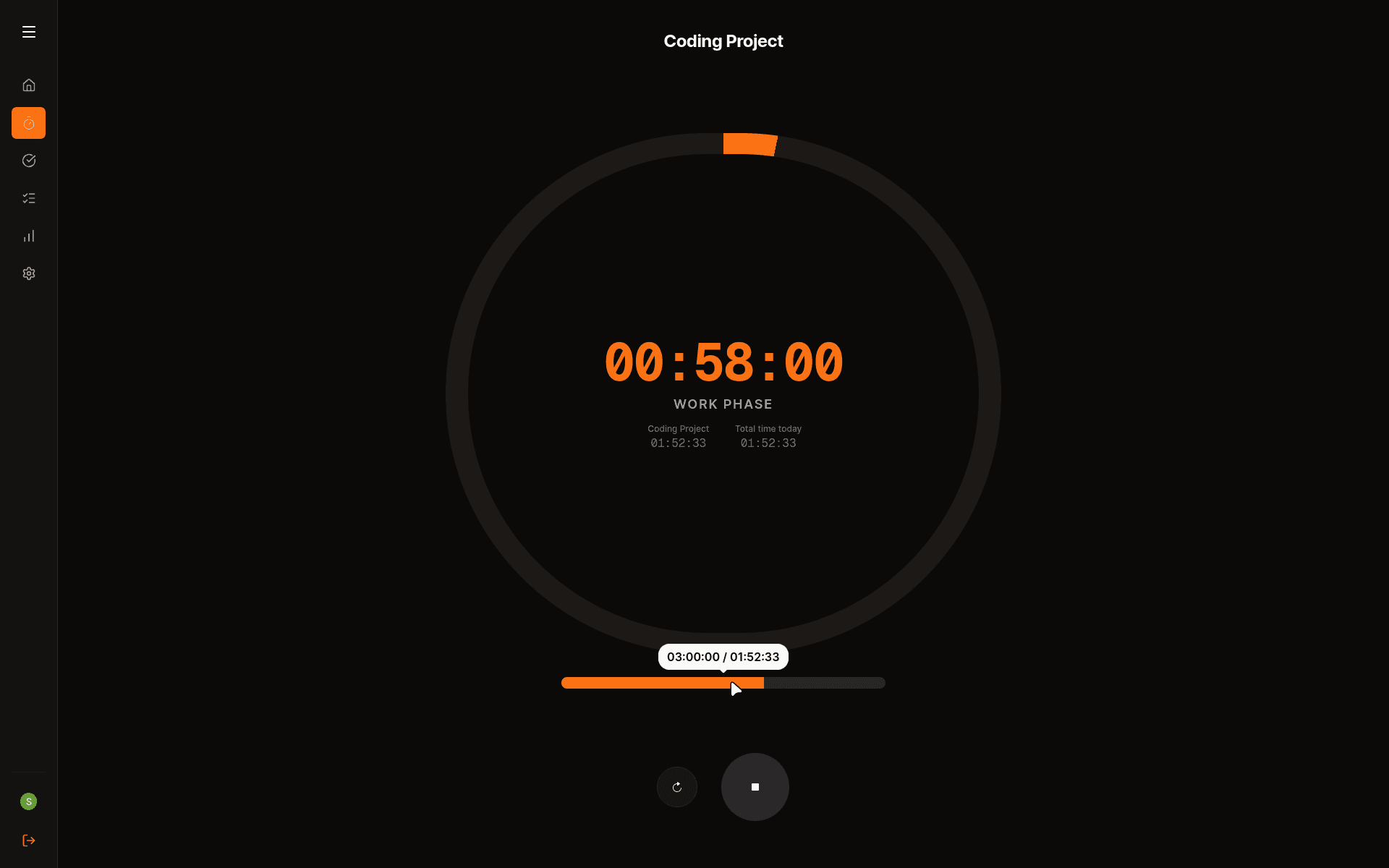
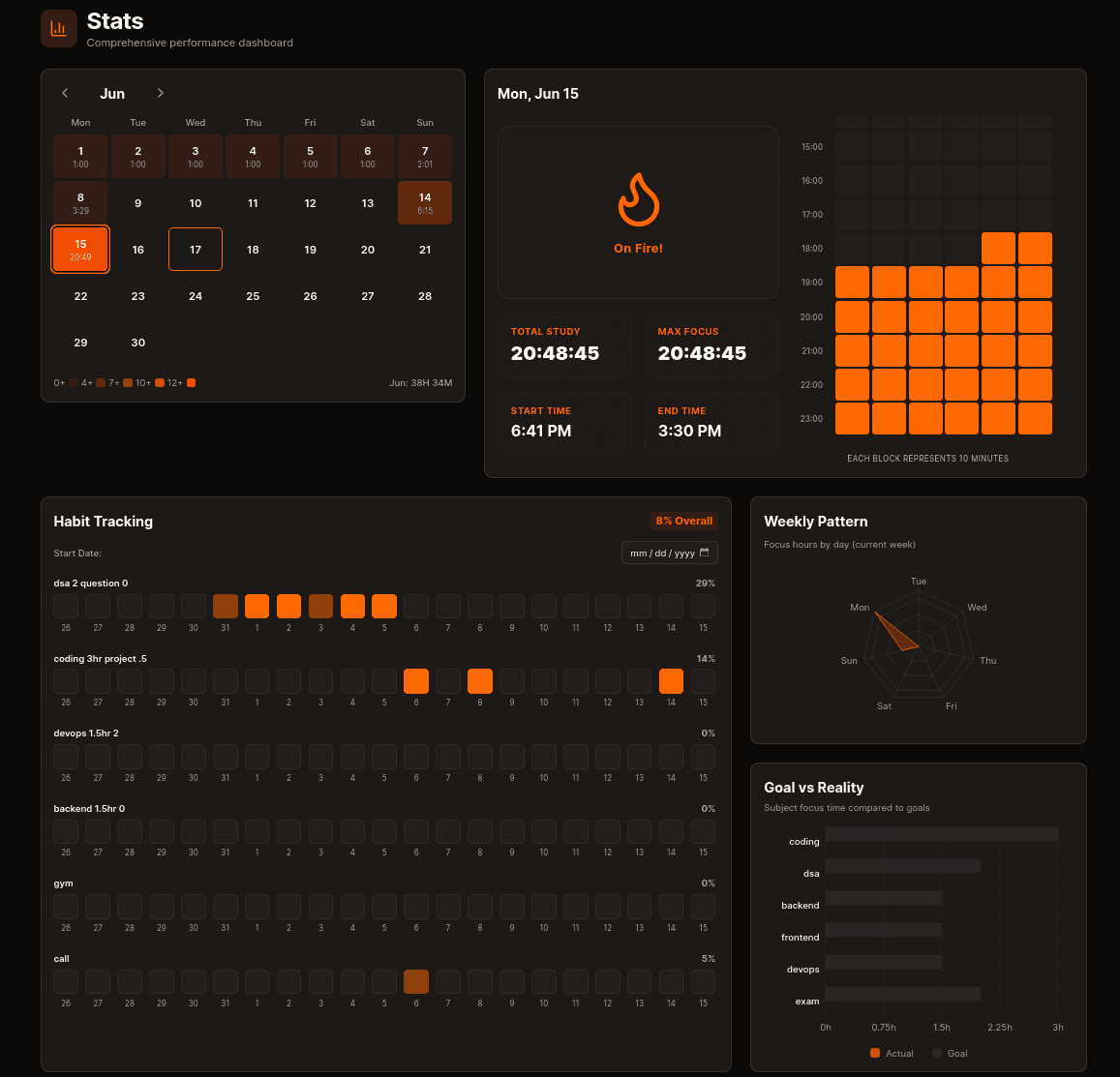
Show, Don't Tell Stats
Dive into detailed visual breakdowns of your performance. View weekly and 21-day analysis charts to understand your study time, mood, and habit correlations.
The 21-Day Protocol
A simple, repeatable system based on neurobiology and behavioral psychology to build unbreakable habits.
Plan Your Habits
Set up to 6 habits with 'Bad Day Plans' to ensure you never break your streak, even on low-energy days.
Deep Focus
Start a Pomodoro session for any subject. Linked habits auto-complete as you study without breaking flow.
Reflect & Grow
Complete your Daily Review. The AI Coach analyzes your logs to detect dopamine burnout before it happens.
Modern, Decoupled Architecture
openPumta utilizes a modern, decoupled architecture designed for scalability, real-time syncing, and deep observability. Ready for self-hosting with Docker Compose.
Frontend
Next.js 16, React 19, TypeScript, Tailwind CSS, Zustand.
Backend API
Express, Node.js, WebSockets, Zod Validation, Google OAuth.
Data Layer
PostgreSQL via Prisma ORM, Redis for fast Stats Caching.
Observability
Prometheus for metrics scraping, Grafana dashboards.
services:
  api:
    build:
      context: ./server
      dockerfile: Dockerfile
    environment:
      - DATABASE_URL=${DATABASE_URL}
      - REDIS_URL=${REDIS_URL}
    ports:
      - "4000:4000"
    depends_on:
      - db
      - redis

  web:
    build:
      context: ./next-app
      dockerfile: Dockerfile
    ports:
      - "3000:3000"
Frequently Asked Questions
Everything you need to know about openPumta.